
Choosing the Right Industrial Control Systems for Your Facility
Published on May 21, 2026
Selecting the right industrial control systems is crucial for efficiency & productivity. This guide covers key factors, system types, and how to make the best choice.
Choosing the Right Industrial Control Systems for Your Facility
In today’s competitive manufacturing landscape, efficient and reliable industrial control systems are essential for optimizing operations, reducing downtime, and maximizing productivity. Selecting the right system for your specific needs can be a complex process, but with careful planning and consideration, you can make an informed decision that will benefit your facility for years to come. This guide will walk you through the key factors to consider when choosing an industrial control system.
Understanding Industrial Control Systems
Industrial control systems (ICS) are used to monitor and control industrial processes. They encompass a range of technologies, including:
- Programmable Logic Controllers (PLCs): These are specialized computers used to automate industrial processes, such as assembly lines, robotic devices, or any activity that needs a reliable control and easy programming.
- Supervisory Control and Data Acquisition (SCADA) systems: SCADA systems are used to monitor and control processes over large geographical areas, such as water treatment plants or oil pipelines.
- Distributed Control Systems (DCS): DCS are used to control complex processes in industries such as chemical processing, oil and gas, and power generation.
- Human-Machine Interfaces (HMIs): HMIs provide a user interface for operators to monitor and control the system.
Key Factors to Consider When Choosing an Industrial Control System
Before diving into specific system types, consider these crucial factors:
- Your Specific Needs and Requirements: What processes do you need to control? What level of automation do you require? What are your data logging and reporting needs? A thorough assessment of your current and future needs is the foundation for a successful selection.
- Scalability: Can the system easily expand to accommodate future growth and changes in your operations? Choose a system that can adapt to your evolving needs.
- Integration: How well does the system integrate with your existing equipment and systems? Seamless integration is crucial for avoiding compatibility issues and maximizing efficiency. Consider compatibility with existing sensors, actuators, and other control devices. Valley International Supply proudly represents manufacturers like SIEMENS and EATON, known for their integration capabilities.
- Reliability and Redundancy: How reliable is the system? What measures are in place to prevent downtime? Look for systems with robust hardware and software, as well as redundancy options for critical components.
- Security: Is the system secure from cyber threats? Industrial control systems are increasingly vulnerable to cyberattacks, so security should be a top priority. Implement robust security measures, such as firewalls, intrusion detection systems, and regular security audits.
- Ease of Use and Maintenance: How easy is the system to use and maintain? Choose a system with a user-friendly interface and comprehensive documentation. Consider the availability of training and support.
- Cost: What is the total cost of ownership, including initial purchase price, installation, training, and maintenance? Don’t just focus on the upfront cost; consider the long-term costs and benefits.
- Industry Standards and Compliance: Does the system comply with relevant industry standards and regulations? Ensure that the system meets all applicable safety and environmental regulations.
Types of Industrial Control Systems
Let’s explore the different types of industrial control systems in more detail:
Programmable Logic Controllers (PLCs)
PLCs are the workhorses of industrial automation. They are used to control a wide variety of processes, from simple on/off control to complex sequential operations.
- Advantages:
- Highly reliable and durable
- Easy to program and maintain
- Flexible and adaptable to different applications
- Cost-effective for many applications
- Disadvantages:
- May not be suitable for very complex processes
- Can be limited in terms of data processing capabilities
Valley International Supply offers a wide range of PLCs from leading manufacturers like SIEMENS and EATON.
Supervisory Control and Data Acquisition (SCADA) Systems
SCADA systems are used to monitor and control processes over large geographical areas. They typically consist of a central control room that communicates with remote terminal units (RTUs) located at various sites.
- Advantages:
- Centralized monitoring and control
- Real-time data acquisition
- Remote access and control
- Improved efficiency and productivity
- Disadvantages:
- Can be expensive to implement
- Requires specialized expertise to maintain
- Vulnerable to cyberattacks if not properly secured
Distributed Control Systems (DCS)
DCS are used to control complex processes in industries such as chemical processing, oil and gas, and power generation. They consist of a network of controllers that are distributed throughout the plant.
- Advantages:
- Highly reliable and fault-tolerant
- Scalable to large and complex processes
- Advanced control capabilities
- Improved process optimization
- Disadvantages:
- Can be very expensive to implement
- Requires specialized expertise to maintain
- Complex to configure and program
Human-Machine Interfaces (HMIs)
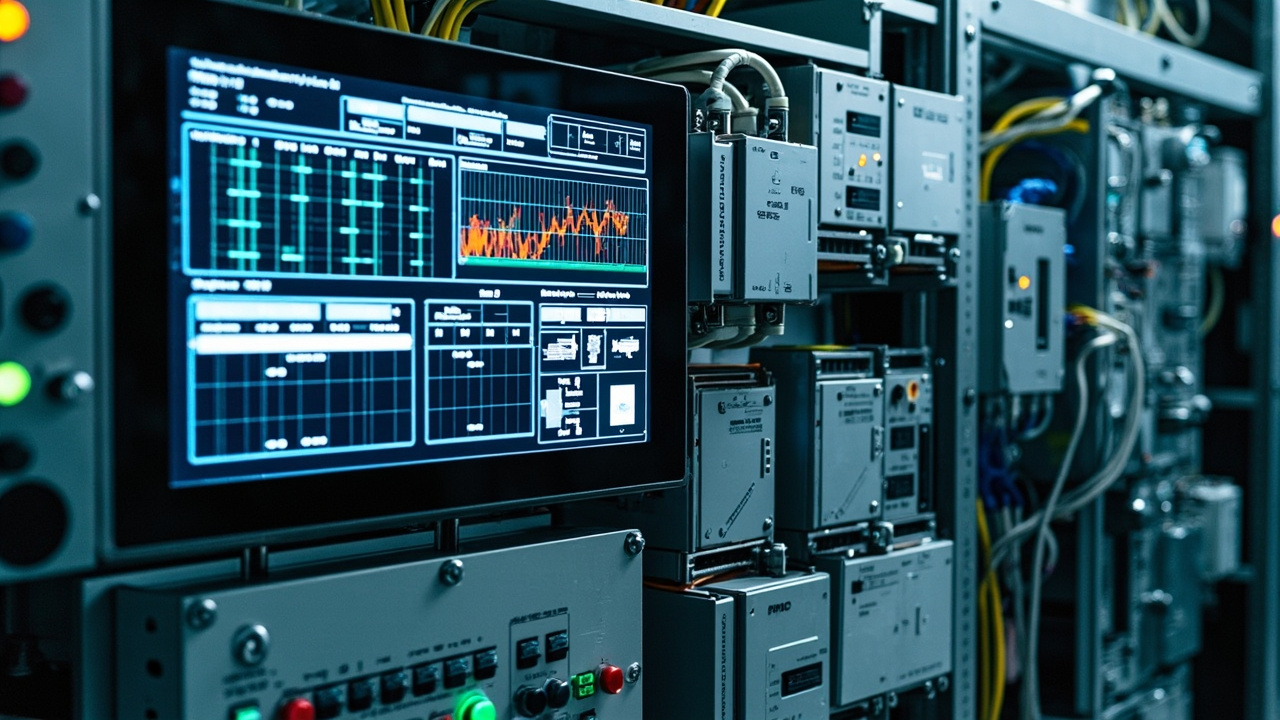
HMIs provide a user interface for operators to monitor and control the system. They can range from simple pushbuttons and indicator lights to sophisticated touch screen displays.
- Advantages:
- Improved operator visibility and control
- Real-time process information
- Enhanced safety and efficiency
- Reduced operator errors
- Disadvantages:
- Can be expensive to implement
- Requires careful design to ensure usability
- Can be vulnerable to cyberattacks if not properly secured
Valley International Supply offers a variety of HMIs from manufacturers like SIEMENS and EATON, designed for seamless integration with their control systems.
Making the Right Choice
Choosing the right industrial control systems requires a systematic approach:
- Define Your Requirements: Clearly outline your specific needs, including the processes you need to control, the level of automation required, and your data logging and reporting needs.
- Assess Your Existing Infrastructure: Evaluate your current equipment and systems to ensure compatibility with the new control system.
- Research Different Systems: Explore the different types of industrial control systems available and compare their features, advantages, and disadvantages.
- Consider Scalability and Flexibility: Choose a system that can easily expand to accommodate future growth and changes in your operations.
- Evaluate Reliability and Security: Look for systems with robust hardware and software, as well as redundancy options and security features.
- Assess Ease of Use and Maintenance: Choose a system with a user-friendly interface and comprehensive documentation. Consider the availability of training and support.
- Evaluate Cost: Consider the total cost of ownership, including initial purchase price, installation, training, and maintenance.
- Consult with Experts: Seek advice from experienced professionals who can help you evaluate your options and make the best choice for your specific needs. Valley International Supply’s team of technical experts can provide tailored engineering recommendations and dependable support.
Next Steps
Selecting the right industrial control systems is a critical investment in your facility’s future. By carefully considering your needs, evaluating different system types, and consulting with experts, you can make an informed decision that will improve efficiency, reduce downtime, and optimize your manufacturing processes.
Ready to take the next step? Contact Us for a Consultation to discuss your specific requirements and explore the best industrial control system solutions for your facility. We represent leading manufacturers like STEINEL, NOSHOK, DESCO, NORGREN, FASTEST, EATON, and SIEMENS, and we’re ready to help you find the perfect fit.
FAQ
Q: What is the difference between a PLC and a SCADA system? A: A PLC is a specialized computer used to automate industrial processes, while a SCADA system is used to monitor and control processes over large geographical areas.
Q: How important is security for industrial control systems? A: Security is extremely important for industrial control systems, as they are increasingly vulnerable to cyberattacks. Implement robust security measures to protect your system from unauthorized access and control.
Q: What is the total cost of ownership of an industrial control system? A: The total cost of ownership includes the initial purchase price, installation, training, and maintenance. It’s important to consider all of these costs when evaluating different systems.
Q: How can Valley International Supply help me choose the right industrial control system? A: Valley International Supply has decades of experience and a dedicated team of technical experts who can provide tailored engineering recommendations and dependable support. We represent leading manufacturers and can help you find the perfect solution for your needs.